|
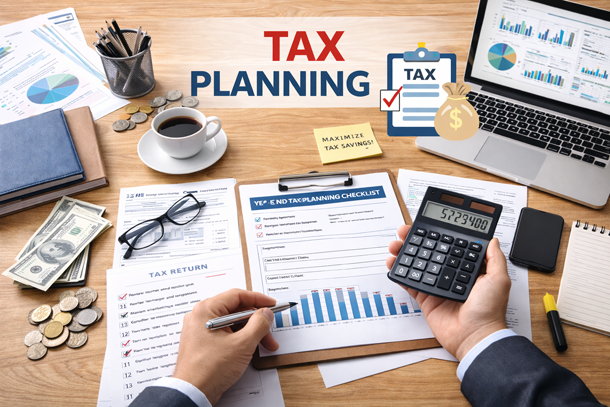
Download - Tax Planning Questionaire The goal of tax planning is to arrange your financial affairs to minimize your taxes. There are three fundamental ways to reduce taxes, each with several variations: reducing your income, increasing your deductions, and taking advantage of tax credits. Reducing Income Adjusted Gross Income (AGI) is a crucial element in determining your taxes, influencing your tax rate and various tax credits. AGI also impacts your financial life outside of taxes, as banks, mortgage lenders, and college financial aid programs often request your AGI. Because AGI is so important, it is beneficial to begin your tax planning here. AGI is your income from all sources minus any adjustments to your income. The higher your total income, the higher your AGI, and consequently, the higher your taxes. Conversely, the lower your income, the lower your taxes. One effective way to reduce your income is by contributing to an RRSP or similar retirement plans, which offer a return on your investment and benefit you in the long run. Your contributions reduce your taxable wages and lower your tax bill. Thus, saving for retirement through an RRSP or other investment methods can significantly reduce your taxes. Increasing Your Tax Deductions Taxable income is another key element in your overall tax situation. Taxable income is what remains after reducing your AGI by your deductions and exemptions. Everyone can take a standard deduction, and some can itemize their deductions. Itemized deductions include expenses for healthcare, personal property taxes, charitable gifts, job-related expenses, and investment-related expenses. A key tax planning strategy is to track your itemized expenses throughout the year using a spreadsheet or personal finance program. This allows you to compare your itemized expenses with your standard deduction quickly. Always take the higher of your standard deduction or itemized deduction. Your standard deduction and personal exemptions depend on your filing status and the number of dependents. You can increase your standard deduction and personal exemptions by getting married or having more dependents. Taking Advantage of Tax Credits After adjusting your taxable income, you can focus on various tax credits, which directly reduce your tax liability. Some available tax credits include: • GST/HST Tax Credits
You may also want to avoid additional taxes. If at all possible, avoid early withdrawals from an RRSP. The amount you withdraw will become part of your taxable income, and on top of that there will be additional taxes to pay on the early withdrawal. Download - Tax Planning Questionaire You can avoid owing taxes at the end of the year by increasing your withholding. More money will be taken out of your paycheck throughout the year, but you will get a refund when you file your taxes. |
|